NASA’s SpaceX CRS-33 Mission to Advance Tissue Engineering, Stem Cell Research
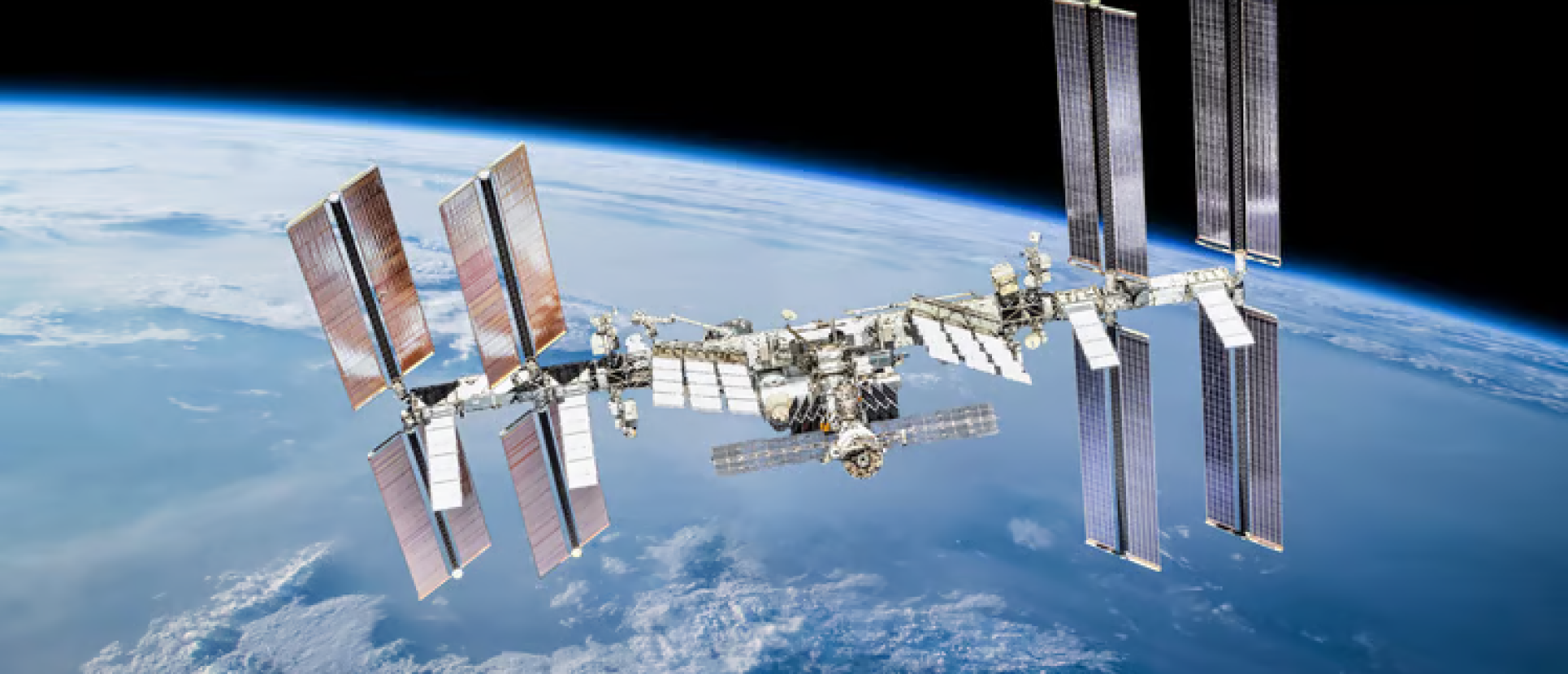
The mission will include investigations sponsored by the ISS National Laboratory, focusing on biomedical and physical sciences, technology demonstrations, and student-led projects.
SpaceX’s 33rd commercial resupply services (CRS) mission, funded by NASA, is scheduled to launch no earlier than 2:45 a.m. EDT on August 24 from Cape Canaveral Space Force Station, carrying research and supplies to the International Space Station (ISS).
The mission will include investigations sponsored by the ISS National Laboratory, focusing on biomedical and physical sciences, technology demonstrations, and student-led projects.
One key study from the Wake Forest Institute for Regenerative Medicine will explore engineered liver tissue containing blood vessels in microgravity. The project, originating from NASA’s Vascular Tissue Challenge, is aimed at advancing tissue engineering in space to support organ replacement research on Earth and beyond.
Cedars-Sinai Medical Center will conduct a study on whether induced pluripotent stem cells divide faster in space. The research builds on previous investigations by the team and could contribute to regenerative medicine efforts. Potential applications include stem cell-based therapies for heart disease and neurodegenerative conditions.
The mission will also include technology validation by ISS National Lab Commercial Service Provider Axiom Space in partnership with Red Hat. The collaboration will test edge computing technologies through the Red Hat Device Edge platform to enhance real-time data processing capabilities in orbit.
In addition, multiple student-led projects will be on board. A project from the annual Genes in Space competition will examine the use of bacteriophages as therapeutic agents to address microbial infections in space. The Higher Orbits Go For Launch! program will contribute several experiments from students across Florida, Michigan, Pennsylvania, Texas, and Virginia.
According to the ISS National Laboratory, these investigations highlight the increasing role of space-based research in biomedical advancements and the preparation of future scientific workforces.