World Brain Day 2025: India’s Big Leap into Tech-Driven Brain Health
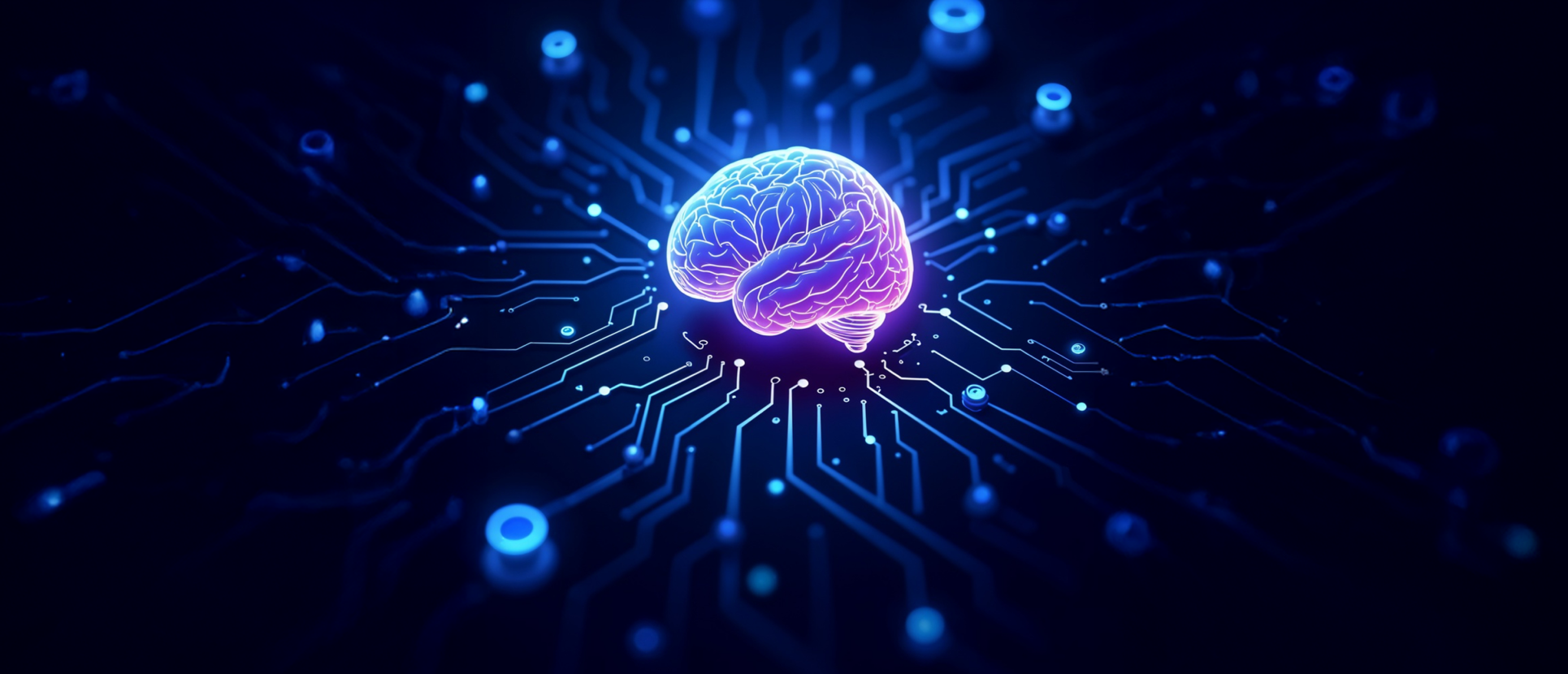
Over 3.4 billion people live with a neurological condition, making these disorders the leading cause of disability worldwide. From stroke to dementia, their impact strains healthcare systems, especially in underserved regions. As the burden rises, technology is bridging the gap through AI diagnostics, remote monitoring, and virtual care, enabling earlier detection and broader access. And highlighting this, World Brain Day 2025 reminds us how innovation can support brain health at every age.
On World Brain Day 2025, let us explore the growing intersection of brain health and technology in neurological care. With this year’s theme, Brain Health for All Ages, the day highlights how digital therapeutics, artificial intelligence, and teleneurology are transforming the delivery of neurological care across all age groups and communities.
Technological Breakthroughs Advancing Brain Health
From AI-powered surgical systems to brain-computer interfaces and remote neurology services, cutting-edge technologies rapidly transform the diagnosis, treatment, and management.
AI-driven diagnostics are enabling earlier and more accurate detection of complex neurological conditions such as epilepsy, stroke, and dementia. Meanwhile, robotic-assisted surgeries and smart navigation systems are improving surgical outcomes by boosting precision and minimizing invasiveness.
On the other end of the care continuum, brain-computer interfaces and neurostimulation devices offer new hope for patients with paralysis, traumatic brain injuries, or degenerative diseases by restoring lost functions or enhancing neuroplasticity.
In an exclusive conversation with DHN, Dr. Girish Rao, Professor of Epidemiology at National Institute of Mental Health and Neuro Sciences (NIMHANS), said, “In the new millennium, technology is the backbone of administering care and delivering clinical services. To bridge the management gap, we are attempting to establish a referral pathway, both forward and backward, right from the onset of symptoms to the resolution of the disease process, including for rehabilitation using the ABDM framework and open-source resources.”
Dr. Rao further noted that point-of-care devices and self-care applications are already in place to manage risk factors for neurological disorders. “There is definitely an encouraging trend even for rural and underserved populations,” he added.
Sharing more on the relevance of technology, the esteemed Professor said that there is an urgent need to leverage technology to bridge the gap in rehabilitation services. “This is especially so as rehabilitation for even frequently occurring neurological problems post-acute recovery is the weakest in the entire chain of care and services.”
These innovations are expanding access to specialized care, enhancing surgical precision, and opening new frontiers in neurorehabilitation, marking a new era in brain health across India and beyond.
Let us explore some of the standout health technologies driving this transformation.
Intraoperative imaging system
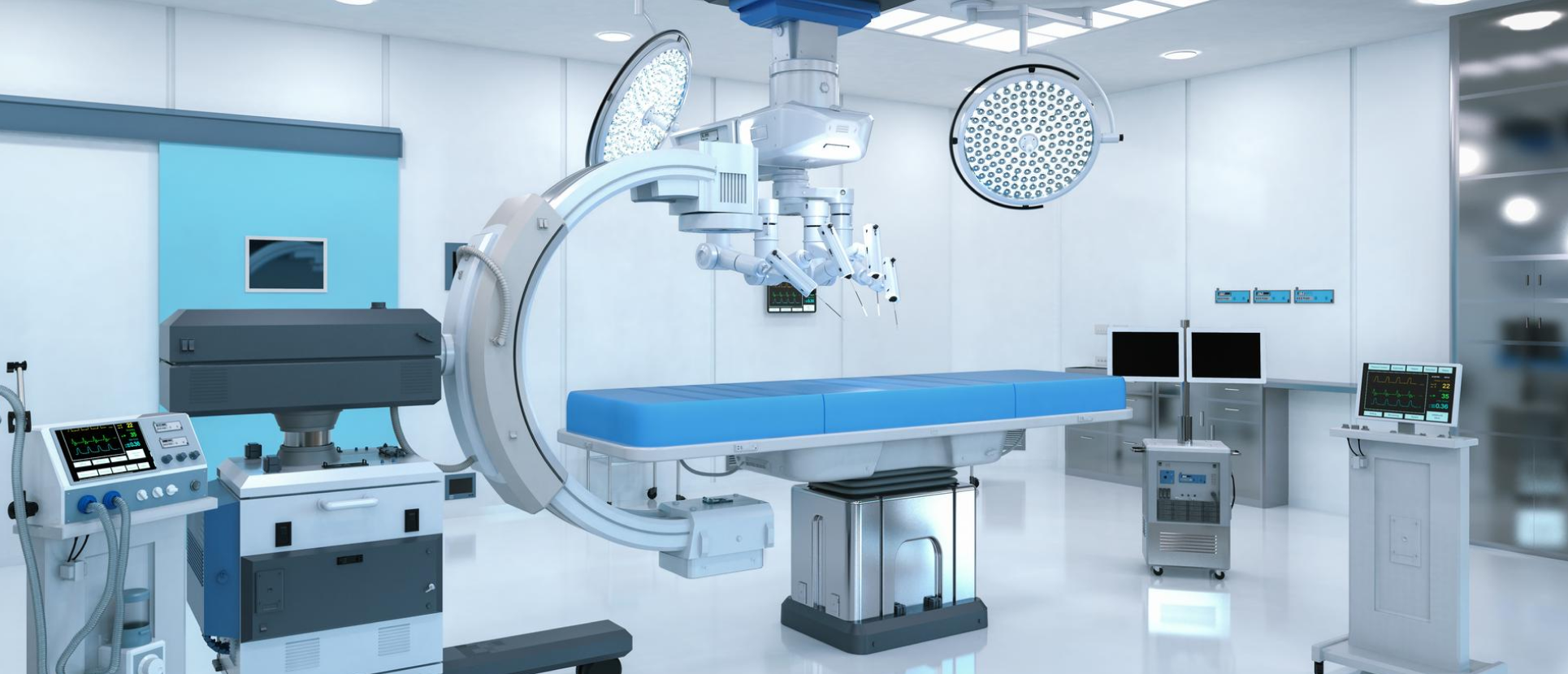
Advanced intraoperative imaging systems are mapping a new era of precision in neurosurgery and spinal care. Tools like the O-ARM combine real-time 2D and 3D imaging with surgical navigation, allowing surgeons to visualize intricate anatomical structures with remarkable clarity during procedures and reducing the risk of complications by providing dynamic, high-resolution insights that guide each surgical move.
These imaging technologies are particularly critical in complex neurosurgical cases, where traditional static imaging often falls short in capturing real-time changes. By integrating with AI and navigation platforms, systems like the O-ARM empower surgeons with a GPS-like roadmap of the brain and spine, enabling minimally invasive techniques, faster recovery, and improved clinical outcomes.
For instance, Chennai recently saw a major milestone in surgical innovation with the installation of its first O-ARM with Navigation system at Kauvery Hospital. This AI-powered platform is now supporting advanced brain, spine, and orthopaedic surgeries by offering real-time, intraoperative imaging with unmatched precision. The move reflects India’s growing push to adopt cutting-edge MedTech for safer, more scalable neurological care.
Teleneurology
Teleneurology, the use of telecommunications technology to deliver neurological care remotely, is emerging as a vital solution to bridge the specialist gap in India’s healthcare landscape. Especially in regions where access to neurologists is limited, teleneurology enables timely diagnosis, virtual consultations, remote monitoring, and continuity of care.
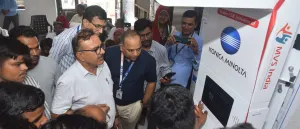
As part of this evolving landscape, Delhi recently inaugurated its first Brain Health Clinic at the Institute of Human Behaviour and Allied Sciences (IHBAS), integrating teleneurology services into its care model. Designed to enhance access to early screening, expert consultations, and long-term neurological care, the clinic reflects how telehealth is being mainstreamed into public health initiatives.
Brain-Computer Interface (BCI)
Brain-Computer Interfaces (BCIs) are revolutionizing how humans interact with machines by enabling direct communication between the brain and external devices. These systems decode neural activity and translate it into commands, allowing users to operate computers, robotic limbs, or communication tools without physical movement.
BCIs offer immense potential in restoring lost functions for individuals with neurological conditions such as paralysis, ALS, or stroke. From enabling mobility through robotic prosthetics to helping non-verbal patients express themselves, the possibilities are both transformative and deeply human-centred.
Recent news highlights a major leap in this space, with Elon Musk’s Neuralink reporting rival Paradromics achieving a major milestone by successfully implanting a brain chip in a human. The device aims to restore communication abilities in people with severe disabilities, signalling real-world progress in BCI technology.
Neurotechnology
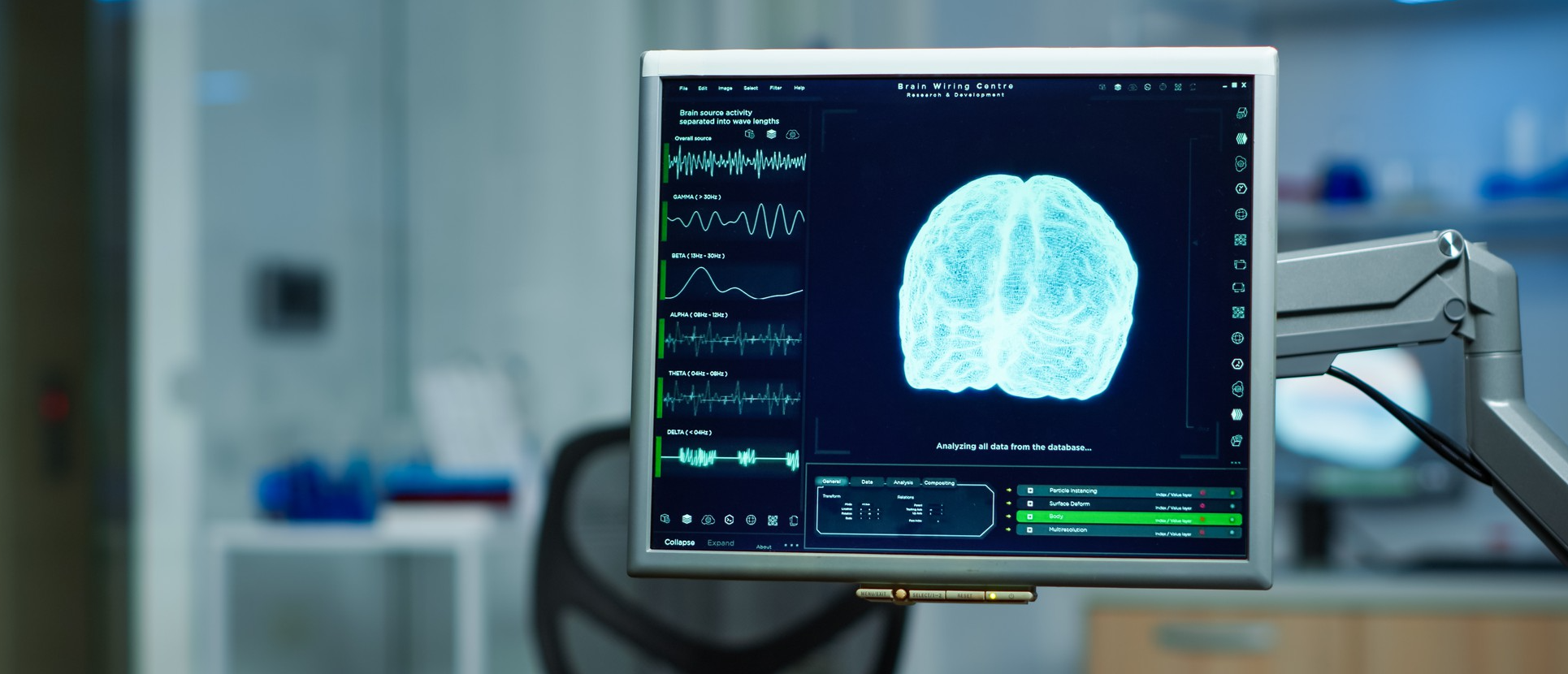
Neurotechnology merges neuroscience with cutting-edge technology to develop innovative tools for diagnosing, monitoring, and treating brain-related disorders. From AI-powered diagnostics to brain-computer interfaces, neurostimulation therapies, and cognitive enhancement devices, this rapidly evolving field is redefining how clinicians understand and manage neurological conditions.
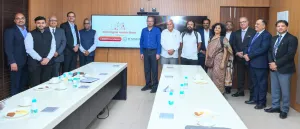
In a recent push to advance AI in neurological care, VIT University and Gleneagles Hospital have signed a Memorandum of Understanding (MoU) to collaborate on AI-neuroscience research. This partnership aims to accelerate the development of intelligent systems for early detection and personalized treatment of brain disorders, further strengthening the role of neurotechnology.
Conclusion
As we observe World Brain Day 2025, it's clear that the fusion of technology and neuroscience is not just a trend; it’s a vital evolution in global brain health.
From AI-enhanced diagnostics and real-time imaging systems to virtual neurology clinics and brain-computer interfaces, innovation is enabling earlier detection, better outcomes, and wider access to care.
These advancements hold particular promise for underserved regions, ensuring brain health truly becomes a right for all ages. Going forward, continued investment in medtech and collaborative research will be key to closing care gaps and advancing neurological well-being worldwide.